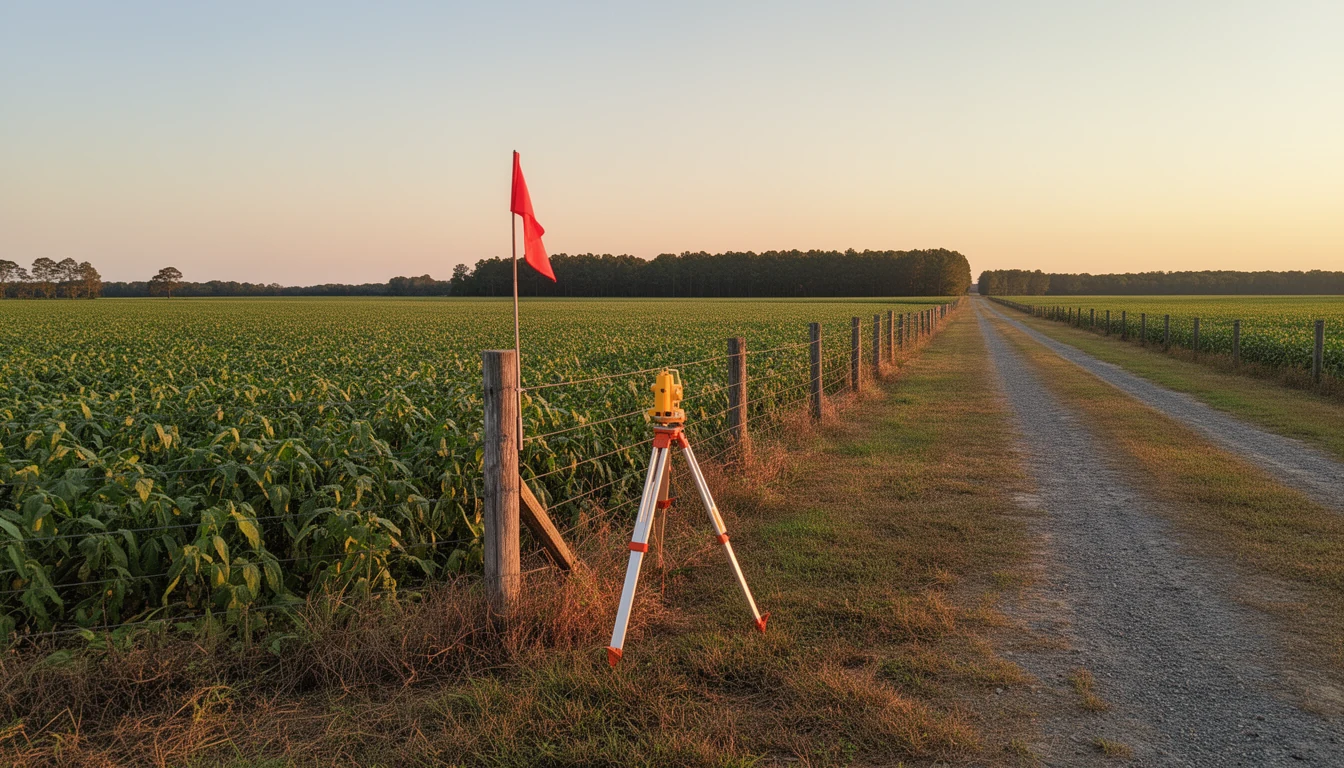

Every land deal I’ve worked in this county has had at least one of these five items sitting somewhere in the file, waiting to be caught before closing instead of after. None of them are dealbreakers on their own — they’re just the specific things a rural land purchase in Northampton County asks you to check that a house in a subdivision doesn’t.
1. Present-use-value tax status
North Carolina’s present-use value (PUV) program lets qualifying agricultural, horticultural, and forestland be taxed on its value in current use rather than full market value — a real property-tax reduction, and a common feature of working farmland here. The catch: it’s not automatic, it requires ongoing qualification, and taking land out of qualifying use can trigger a rollback tax covering the deferred amount for prior years, plus interest. If a tract’s low tax bill is part of the pitch, confirm its PUV status and your own rollback exposure with the Northampton County Tax Office before you rely on that number — not after closing.
2. Recorded road access
Landlocked or access-uncertain tracts are common enough in rural counties that I check this on every land deal. A well-worn dirt path that’s “always been used” is not the same thing as a recorded easement. Confirm access is legally documented, not just customary, before you assume you can reach the parcel you’re buying.
3. Wetlands
Northampton County has real wetland acreage mixed into its farm and timber ground. If any part of a tract looks low, wet, or has standing water seasonally, get a wetlands determination before you assume you can clear or build on it — federal and state wetlands rules can limit use regardless of what the deed describes, and it’s a cheaper conversation to have before you buy than after.
4. Existing farm leases
A lot of tillable acreage in this county is currently leased to a working farm operator, and that’s often a genuine asset — a proven lease income stream, and a relationship you may want to continue. But get the lease terms and end date in writing before closing, so you know exactly when you gain actual use of the land, not just title to it. I’ve seen buyers assume they could plant a garden or clear a homesite the week after closing, only to find a multi-year row-crop lease still had two seasons left on it.
5. Standing timber value
If timber is part of what you’re paying for, get an independent timber cruise — a professional inventory of standing timber — rather than relying on a seller’s estimate. Timber markets and stand age both move that number more than most buyers expect, and a seller’s number is rarely an independent one.
The through-line
All five of these share the same lesson: rural land due diligence in this county rewards patience more than a house purchase does. None of it is exotic or unusual for farm country — it’s just unfamiliar if you’re coming from suburban or urban real estate, where none of these five questions come up. Budget the extra time for it.
For the fuller picture on the county’s row-crop and timber economy, read Chapter 4 of the full brief, or browse current land and acreage listings.